24/7 locksmith Aurora for emergency service
Professional Locksmith: Knowing When to Contact the Professionals for Your Security Requirements
A experienced lock technician is critically important in preserving security. A large number of people overlook the signs that point to a need for skilled intervention. Concerns like a broken locking mechanism or the impact of a forced entry can undermine protection. Realizing when to call for assistance is of great importance. As potential dangers evolve, so do the countermeasures. What should one consider before reaching out for help?
Understanding the Warning Signs: When You Require a Locksmith
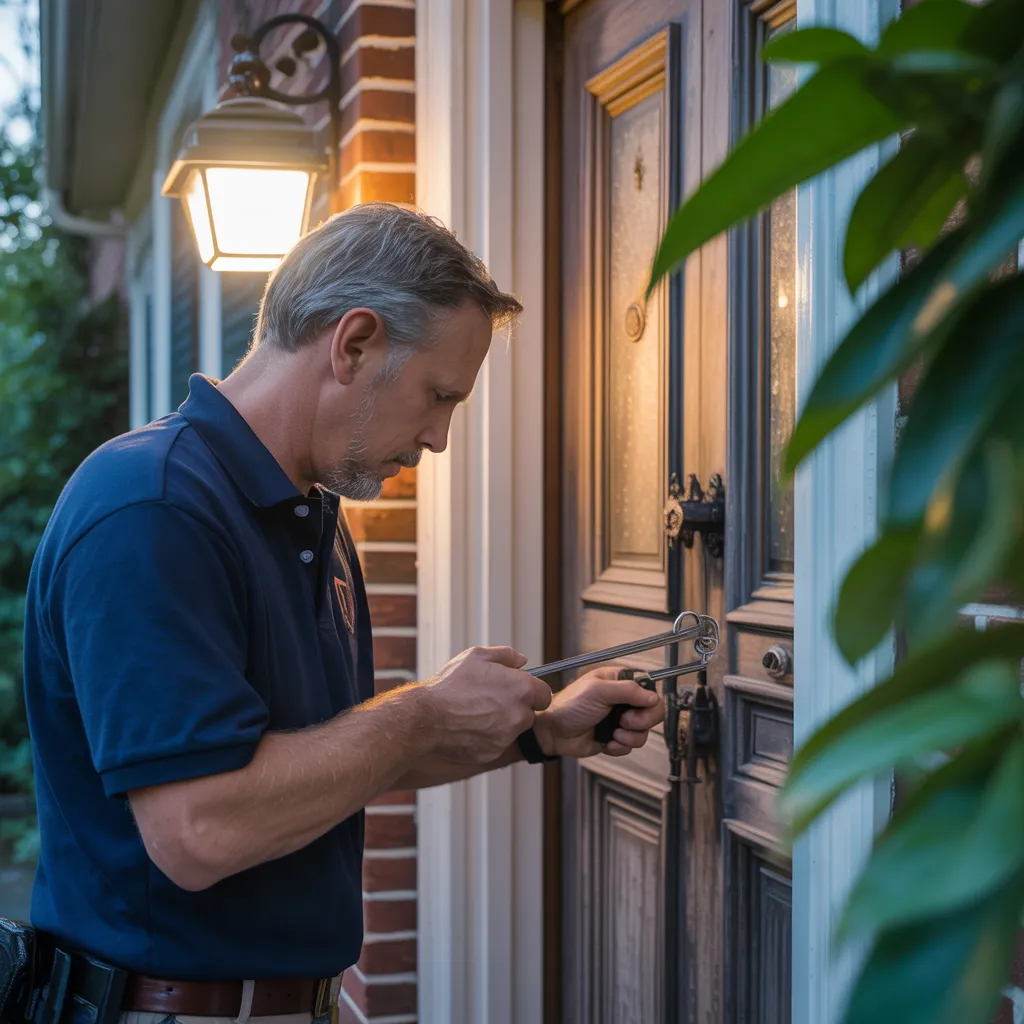
At what point should someone think about contacting a locksmith? A person may find it necessary to contact a locksmith when they encounter issues with their locks or security systems. Signs such as a key that breaks off in the lock or a lock that becomes difficult to turn are clear indicators of potential problems. Moreover, when a person is repeatedly faced with lockout situations, it may be time to seek the services of a professional locksmith.
Moreover, after moving into a new home, it is advisable to enlist the help of a locksmith to swap out the locks for protection. Security upgrades, such as incorporating sophisticated locks or alarm devices, also necessitate the advice of an expert. As a final point, if a homeowner identifies signs of forced entry or security breaches, swift measures should be implemented by hiring a locksmith to assess and enhance security measures. Being aware of these signs ensures that people can safeguard their well-being and peace of mind.
Why You Should Call a Locksmith When Locked Out?
Experiencing a lockout can be a frustrating and stressful situation. At times like these, reaching out to a professional locksmith is absolutely essential. An experienced locksmith has the specialized tools and skills necessary to handle lockouts effectively and safely, reducing the likelihood of damage being caused to your property. Attempting to gain entry without professional help can lead to broken locks or doors, resulting in costly repairs.
In addition, locksmiths are equipped to handle a wide range of types of locks and security systems, providing a fast resolution suited to the specific situation. Their understanding of security protocols also enhances the safety of the property after re-entry. Moreover, professional locksmiths can provide practical advice on improving security measures, reducing the risk of future lockouts. When all is said and done, relying on a locksmith is not just about gaining access; it is an essential step in preserving both the integrity of the property and the peace of mind of the individual facing a lockout.
How to Handle Being Locked Out?
Getting locked out can be a disorienting experience that demands swift response. The most important thing is to stay composed and evaluate your options. Checking for any open windows or alternate entrances can occasionally offer a quick resolution. When no viable solutions can be found, it is wise to contact a trusted friend or family member who may be in possession of a duplicate key.
If these measures fail, turning to a professional is crucial. Reaching out to a locksmith is typically the most reliable method for restoring access swiftly and securely. It is important that individuals do not attempt to break in, as this can cause damage and lead to costly repairs.
Prior to the locksmith's arrival, gathering necessary information, like a valid ID and proof of residency, can expedite the process. In the end, getting locked out acts as a reminder of how crucial it is to have a contingency plan for gaining entry to secured areas.
The Smart Reasons to Upgrade Your Locks
Once a lockout situation has been resolved, many individuals recognize the significance of home security. Investing in lock upgrades acts as a forward-thinking approach to enhance safety. Aging lock systems often fail to offer sufficient defense against contemporary break-in methods, emphasizing the importance of upgrading to more reliable alternatives.
Advanced security locks, as an example, deliver cutting-edge features that discourage unwanted access. These security solutions commonly incorporate pick-resistant technology and resilient materials, providing a more reliable barrier. Furthermore, advanced smart locks deliver practical convenience and remote monitoring, empowering homeowners to manage their security from virtually anywhere.
Furthermore, insurance providers may provide more favorable rates for homes equipped with upgraded security systems, creating financial incentives for homeowners to upgrade their lock systems. In the end, upgrading locks not only strengthens physical security but also promotes peace of mind, making certain that residents feel safe in their own environment. This well-considered investment is a fundamental step toward thorough home security.
What to Anticipate From a Complete Security Assessment
When homeowners seek an extensive security assessment, they can expect an in-depth analysis of their residence's security gaps and advantages. Experienced security specialists begin by inspecting entry points such as garages, doors, and windows to detect existing security flaws. They examine the integrity and functionality of current locking mechanisms, noting any outdated or damaged mechanisms that may weaken the property's defenses.
Additionally, the evaluation involves assessing the local surroundings, considering factors such as local crime rates and visibility. Security professionals frequently suggest upgrades such as premium locks or alarm systems customized for the particular demands of the property. They frequently provide recommendations regarding entry control systems, surveillance cameras, and outside lighting related resource recommendations.
The objective of the inspection is to create a comprehensive report highlighting findings and offering practical enhancements, directly supporting homeowners reach knowledgeable determinations about their security measures. This proactive approach guarantees a thorough framework for safeguarding the property against the threat of unforeseen vulnerabilities.
Common DIY Pitfalls to Avoid When Managing Locks
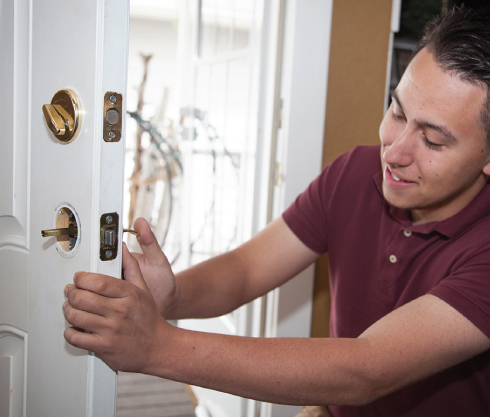
When dealing with lock issues, many individuals make common mistakes that can worsen the situation. Ignoring specific lock types, overusing lubricants, and improperly using tools can lead to further complications. Identifying these mistakes is crucial for proper lock upkeep and security.
Disregarding Lock Types
While many homeowners may attempt to tackle lock issues on their own, overlooking the distinct types of locks can cause significant and costly blunders. Different locks, such as deadbolts, smart locks, and mortise locks, each have unique mechanisms and installation requirements. Insufficient knowledge can lead to incorrect repairs or replacements, which may put security at risk. To illustrate, forcing a key into a misaligned lock risks damaging both the lock and the key, making expensive replacements necessary. Additionally, mixing up lock types may lead to ineffective solutions and further complications. In order to steer clear of these mistakes, homeowners should carefully examine their locks and consult a professional locksmith whenever they are uncertain about their individual needs.
The Problem of Overusing Lubricants
It is common for homeowners to make the mistake of over-lubricating their locks, assuming that excess lubrication will keep things running smoothly. This common misconception can lead to a buildup of excess lubricant, which attracts dust and dirt, leading to locks that become difficult to operate or completely jammed. Various lock types call for particular lubricants; to illustrate, graphite tends to be the preferred option for pin tumbler locks, whereas silicone sprays work well for other lock types. Overapplication can also create a slippery surface that may hinder the lock's mechanism, making it harder to engage. Rather than enhancing performance, too much lubrication can result in expensive repairs or require the assistance of a professional locksmith. Knowing the correct quantity and variety of lubricant is key to keeping locks performing at their best.
Misusing Tools the Right Way
Misusing tools during lock repairs can lead to frustrating outcomes and potential damage. A large number of DIY individuals overlook how critical it is to use the appropriate tool. As an example, using a screwdriver in place of a proper lock pick can strip screws or damage internal components. Moreover, exerting excessive force can lead to locks jamming or becoming permanently damaged. Frequent errors involve using pliers to rotate a key or trying to force open a stuck lock without the right technique. Such actions frequently lead to additional problems that require expert assistance. To avoid these pitfalls, individuals should familiarize themselves with lock mechanisms and the specific tools designed for lock repairs. When in doubt, consulting a professional locksmith can save time and prevent costly mistakes.
Frequently Raised Questions
How Can I Select a Trustworthy Locksmith Service?
To choose a reputable locksmith service, it is important to check online reviews, verify credentials, check for insurance, and ask for recommendations. Evaluating several options guarantees knowledgeable decisions, culminating in dependable and trustworthy service.
What Certifications Should a Professional Locksmith Have?
A credible locksmith should possess designations such as Certified Locksmith (CL), the Registered Locksmith (RL) designation, and the Master Locksmith (ML) certification from accredited institutions. These credentials indicate professionalism, expertise, and adherence to industry standards, guaranteeing dependable service to customers.
Are Locksmith Services Offered 24 Hours a Day?
Locksmith services are often available 24/7, delivering critical support in emergency situations such as lockouts or security breaches. Many professionals prioritize accessibility, making certain that individuals can obtain support whenever required, irrespective of what time it is.
What Is the Typical Cost of Locksmith Services?
The cost of locksmith services usually ranges from $50 to $150 for common services, such as rekeying or lockouts. Nevertheless, urgent calls and complex jobs may result in increased charges, often going beyond $200 depending on the complexity involved.
Can a Locksmith Provide Help With Electronic Security Systems?
Yes, a locksmith can assist with digital security systems. These professionals possess the knowledge to install, fix, and maintain diverse digital locking mechanisms, delivering superior performance and security for both residential and commercial properties.